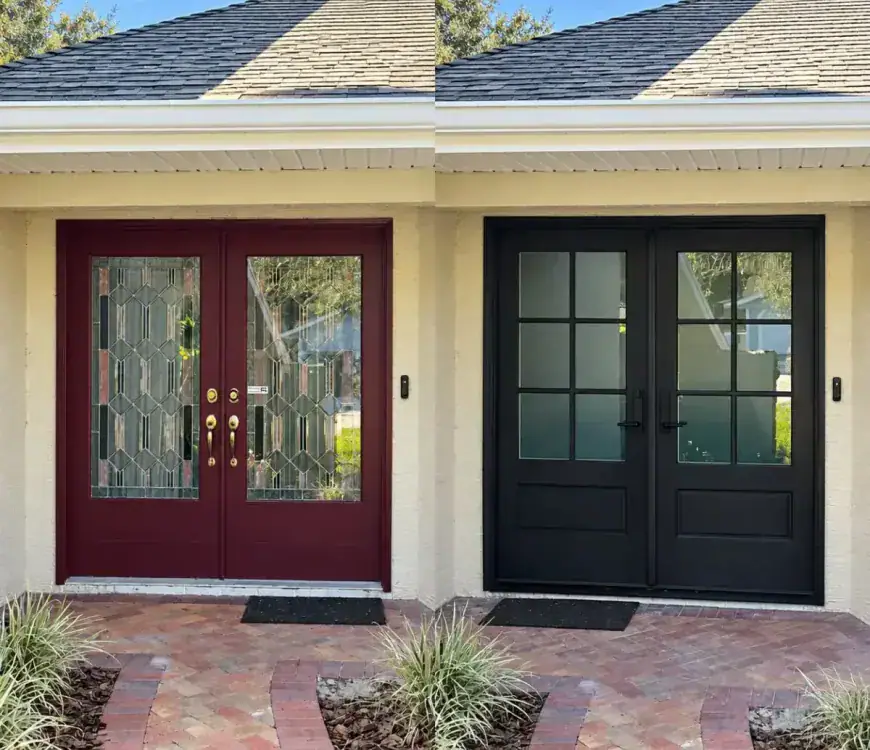
The difference between laminated vs tempered glass is what happens when it breaks. Tempered glass is heat-treated to be much stronger than ordinary glass, but when it fails it shatters into small pieces and leaves the opening empty. Laminated glass bonds two or more layers of glass to a tough plastic interlayer, so even when it cracks, the glass stays in the frame and keeps wind and rain out. That is why impact windows are built with laminated glass.
When homeowners shop for hurricane protection, they hear a lot about “impact glass.” It sounds like a single special material, but impact windows are really a system: a strong frame, tested hardware and laminated glass working together. Understanding laminated vs tempered glass explains why impact windows behave so differently from regular windows in a storm.
What Tempered Glass Is
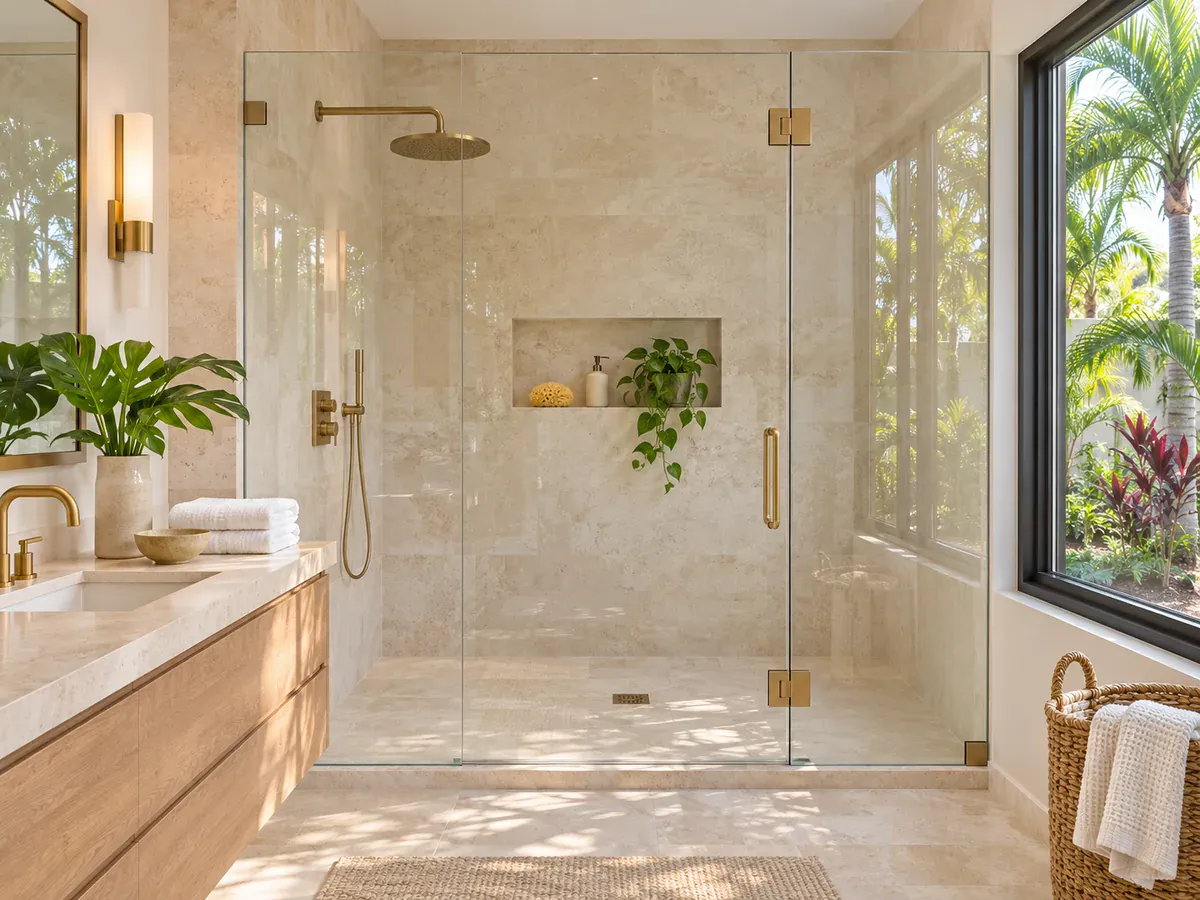
Tempered glass is made by heating regular glass and then cooling it rapidly. That process puts the outer surfaces under compression, which makes tempered glass several times stronger than ordinary annealed glass of the same thickness.
Tempered glass is also a safety glass. When it breaks, it crumbles into small, blunt pieces instead of long sharp shards. That is why building codes require it in places where people might fall against glass, such as shower doors, glass doors and windows near the floor.
The weakness: when tempered glass breaks, the whole pane breaks and falls out. In a hurricane, that leaves an open hole in your home.
What Laminated Glass Is
Laminated glass is made by bonding two or more layers of glass to a strong plastic interlayer under heat and pressure. Car windshields are a familiar example: when a rock hits one, the glass cracks, but it stays in place.
In impact windows, the interlayer is engineered to absorb energy and hold the glass together after it is struck. The glass may crack in a spiderweb pattern, but the interlayer keeps it bonded to the frame, so the opening stays closed.
Laminated vs Tempered Glass: 5 Key Differences
| Tempered glass | Laminated glass | |
|---|---|---|
| How it is made | Heated and rapidly cooled | Glass layers bonded to a plastic interlayer |
| When it breaks | Shatters into small pieces and falls out | Cracks but stays bonded in the frame |
| Hurricane debris | Opening can be left exposed | Designed to keep the opening closed |
| Noise and UV | Similar to standard glass | Interlayer reduces noise and blocks most UV |
| Security | Breaks completely once broken | Much harder to get through |
Why Laminated Glass Matters in a Hurricane
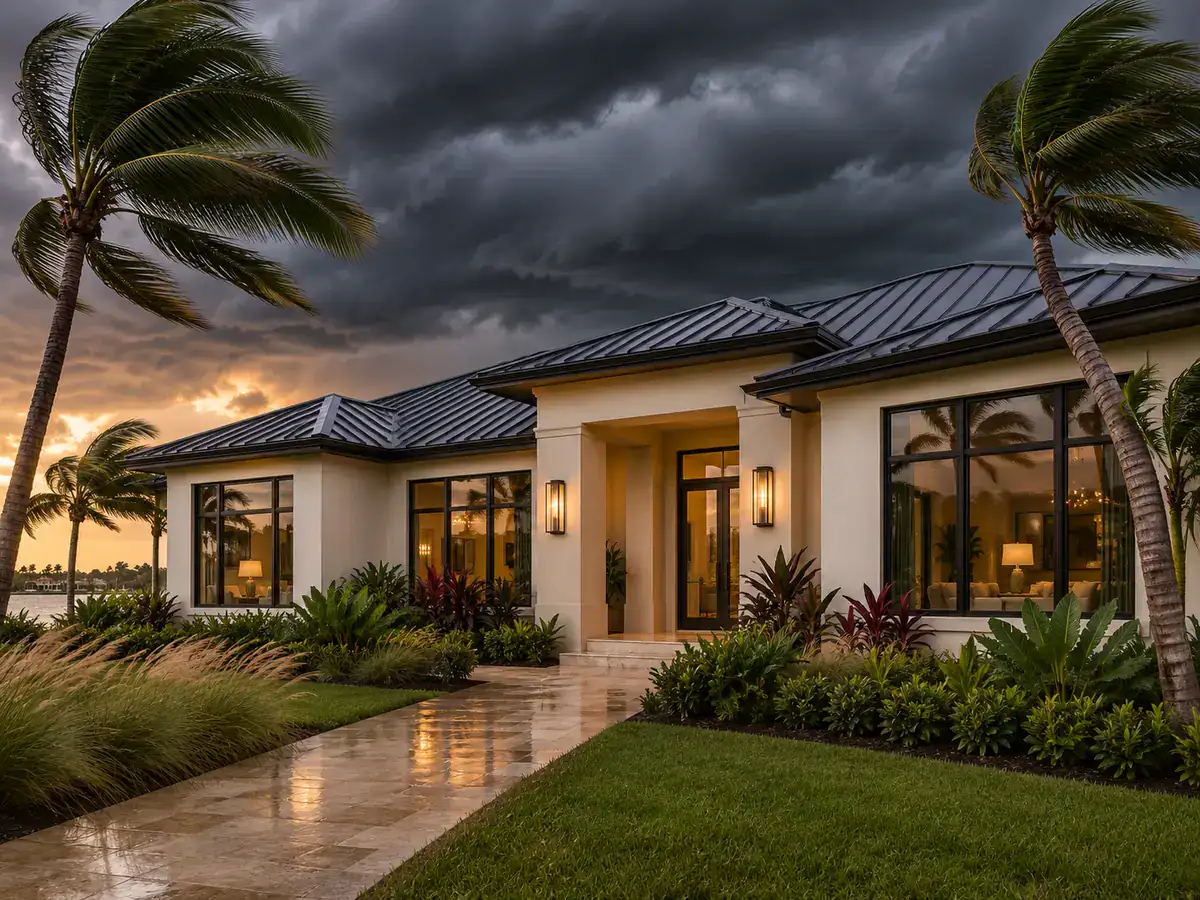
During a hurricane, flying debris is one of the biggest threats to a home. If a window breaks and the opening is left exposed, wind rushes inside and pushes up on the roof and out on the walls at the same time. That internal pressure is a major reason roofs and walls fail in strong storms.
Laminated impact glass is designed to stay in the frame after it is hit, so the building envelope stays sealed. Impact windows are tested with large and small missile impacts followed by thousands of pressure cycles that simulate hours of shifting hurricane winds, then must hold a Florida product approval before they can be installed. You can see how that system works on the Florida Building Commission site.
Do Impact Windows Use Tempered Glass Too?
Often, yes, as part of the package. Many impact windows combine laminated glass with heat-strengthened or tempered layers, and some use laminated insulating glass, which pairs a laminated lite with a second pane and a sealed air space for better energy performance. The key point is that the laminated layer and its interlayer are what keep the glass in place after an impact.
The exact glass build varies by manufacturer and product. Storm Pro installs impact windows and doors from CWS (Custom Window Systems), PGT, Eastern Architectural Systems, JELD-WEN and Viwinco, plus impact entry doors from Therma-Tru, Plastpro and Neuma Doors. Each publishes the glass options and ratings for its product lines, and our brands page compares them.
What Happens When Impact Glass Is Hit
It helps to picture a real strike. A piece of lumber or a broken branch hits the window at high speed. On ordinary glass, the pane shatters and the debris continues into the room. On tempered glass, the pane may survive a smaller hit, but if it breaks, the whole pane collapses into pieces and leaves the opening exposed.
On laminated impact glass, the outer layer may crack, sometimes dramatically. The interlayer stretches and absorbs the energy, the glass fragments stay stuck to it, and the frame holds the whole assembly in place. The window looks damaged, but the house stays sealed. After the storm, the glass is replaced, often without any water or wind damage inside the home.
Is Tempered Glass Alone Hurricane Proof?
No. Tempered glass is stronger than regular glass, but it is not impact rated on its own. Once a piece of debris breaks it, the entire pane falls out. Windows with only tempered glass still need shutters or panels for hurricane protection.
Everyday Benefits of Laminated Glass

The same interlayer that holds glass together in a storm also helps every day:
- Quieter rooms. The interlayer dampens sound vibrations from traffic, lawn equipment and neighbors.
- UV protection. Laminated glass blocks most ultraviolet rays, which helps reduce fading of floors, furniture and artwork.
- Security. Laminated glass is much harder to break through than ordinary or tempered glass.
- Insurance. Impact-rated openings can qualify for wind mitigation credits. See our wind mitigation guide.
How to Tell What Glass You Have
- Look for a label or etching. Tempered glass usually has a small permanent mark in a corner. Impact windows often have a label from the manufacturer or permit records.
- Check your paperwork. Permits and product approvals from past window work list what was installed.
- Look at the edge. Laminated glass shows distinct layers along the edge if you can see it.
- Ask a professional. A wind mitigation inspector or window installer can confirm.
Choosing the Right Glass Package

Beyond laminated versus tempered, impact glass can be ordered with Low-E coatings to reduce heat gain, tints to cut glare, obscure glass for privacy in bathrooms and insulating packages for quieter, more efficient rooms. The right choice depends on which way each window faces, how much sun it gets and what the room is used for. See our energy-efficient impact windows page for more.
Frequently Asked Questions
Is laminated glass stronger than tempered glass?
Tempered glass is very strong against impact before it breaks, but laminated glass performs better after it breaks because it stays in the frame. For hurricane protection, staying in place is what matters.
Do hurricane windows use laminated or tempered glass?
Impact windows use laminated glass, often combined with heat-strengthened or tempered layers as part of the package.
Can laminated glass break?
Yes. It can crack when struck, but the interlayer holds the pieces together and keeps the opening closed.
Is tempered glass enough for Florida building code?
Not for impact protection on its own. Openings that require protection need impact-rated products or approved shutters.
Does laminated glass block UV?
Yes. The interlayer blocks most UV rays, which helps protect interiors from fading.
Is laminated glass more expensive?
Impact windows with laminated glass cost more than standard windows, but they replace shutters and can lower insurance premiums.
See Impact Glass Up Close
Storm Pro Window and Door installs impact windows and doors across Tampa Bay, Pasco and Pinellas. Book a free in-home quote or call (813) 749-6051, and we will walk you through glass options for every room in your home.