Yes. Impact windows reduce noise because their laminated glass has a plastic interlayer that dampens sound vibrations, and their heavier frames seal more tightly than standard windows. Most homeowners notice traffic, lawn equipment and neighborhood noise drop right away. How much quieter your home gets depends on the glass package, the frame, the seals and the quality of the installation, which is why sound ratings called STC and OITC are worth understanding.
So, do impact windows reduce noise enough to notice? For most homes, yes. Most people buy impact windows for hurricane protection. Many of them are surprised that the thing they notice first is how quiet the house gets. If you live near US 19, Gulf to Bay Boulevard, I-275, a flight path or a neighbor’s busy pool deck, noise can be as big a reason to upgrade as storms.
This guide explains what actually makes a window quieter, what the ratings mean in plain language and what impact windows will not fix on their own.
Why Laminated Glass Blocks Sound

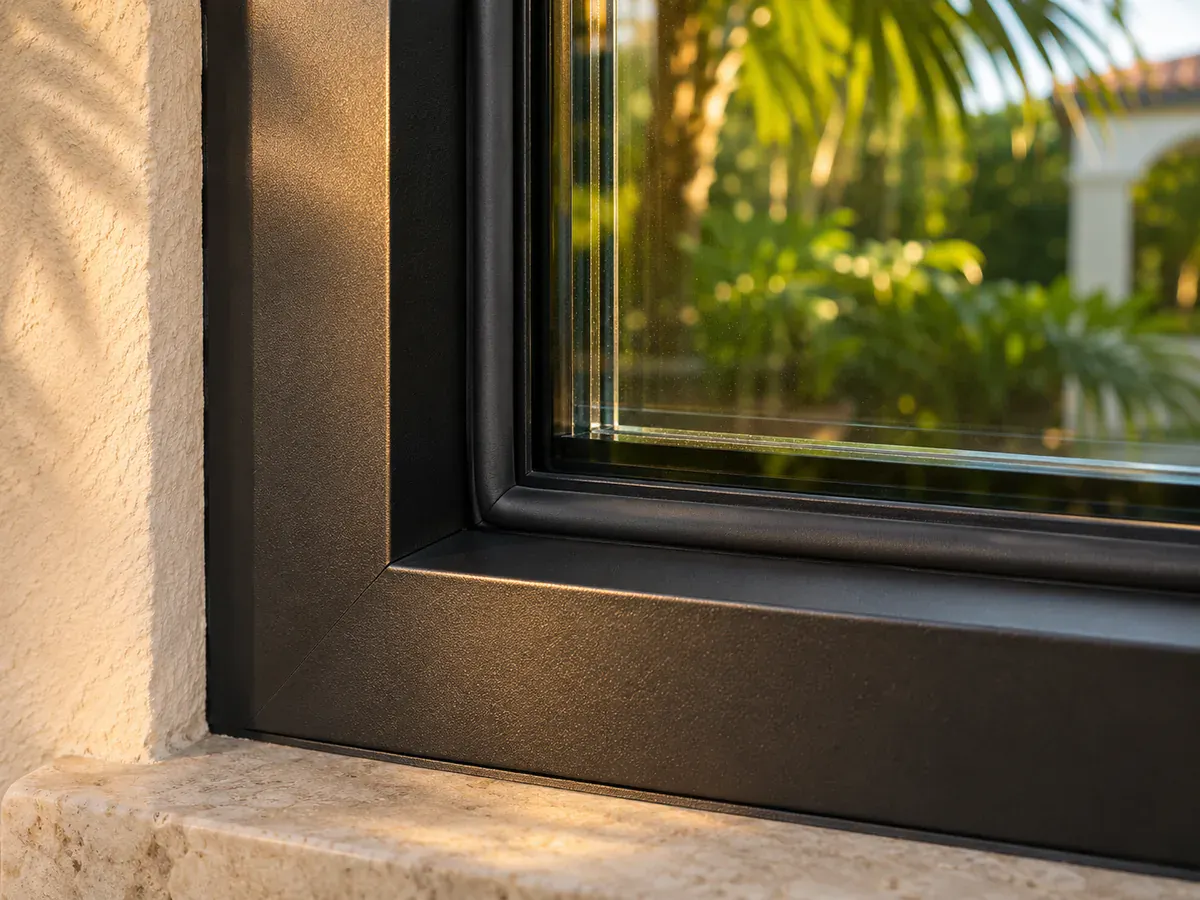
Sound travels through a window by making the glass vibrate. A single pane of ordinary glass vibrates easily and passes that sound into the room. Laminated impact glass is two layers of glass bonded to a tough plastic interlayer. That interlayer is softer than glass, so it absorbs part of the vibration instead of passing it along.
Many impact windows go a step further with laminated insulating glass, which pairs laminated glass with a second pane and a sealed air space. The combination of layers, air space and interlayer gives sound more obstacles to get through.
The frame matters too. Impact frames are heavier and built to hold the glass under extreme pressure, and the same tight seals that keep wind-driven rain out also block air leaks, which is how a lot of noise sneaks inside.
STC and OITC Ratings in Plain Language
Window sound performance is measured with two ratings. Higher numbers mean better sound blocking for both.
- STC (Sound Transmission Class): measures how well a window blocks mid and high frequency sound, such as voices, barking dogs and lawn equipment.
- OITC (Outdoor-Indoor Transmission Class): focuses on lower frequency outdoor sound, such as traffic, trucks, motorcycles and aircraft. For homes near busy roads, OITC is often the more useful number.
Small number changes are noticeable. Because the scale is logarithmic, a few points can be the difference between hearing a conversation outside and barely noticing it.
What the Manufacturers Publish
Ratings vary by product, size and glass package, so always look at the specific window you are considering. As one example, PGT’s WinGuard Aluminum brochure lists an STC rating of 30 to 35 depending on the product, compared with an industry standard of STC 26 for single hung windows. Other brands Storm Pro installs publish ratings on their own product documents, and we can pull the numbers for the exact windows on your quote.
If quiet is a top priority, tell us during your quote. Glass package choices can shift those numbers, and we will show you the options side by side.
What Matters Most for a Quieter Home

Four things decide how much quieter your home will actually get:
- Glass package: laminated insulating glass generally outperforms single laminated glass for sound.
- Frame and window style: fixed picture windows tend to block more sound than operable windows, and well-built frames seal better.
- Seals and weatherstripping: even a great window leaks sound through gaps. Tight seals are essential.
- Installation: gaps between the window and the wall opening are a common sound leak. Proper installation, sealing and insulation around the frame matter as much as the window itself.
Do Impact Windows Reduce Noise Everywhere? What They Will Not Fix
Windows are often the weakest point for sound, but they are not the only one. If the windows are upgraded and you still hear more than you expected, look at these:
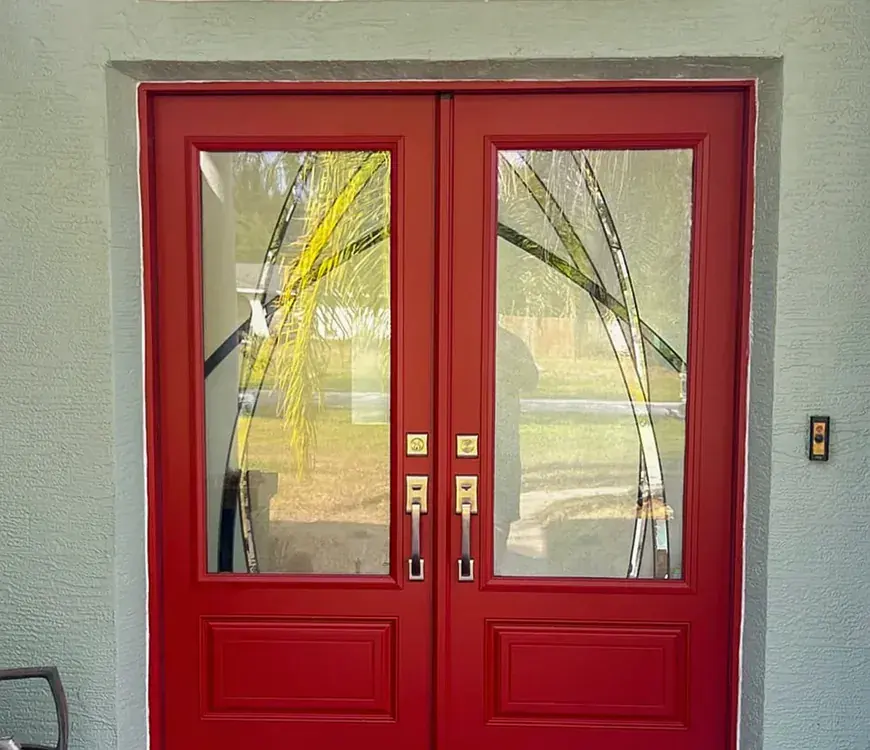
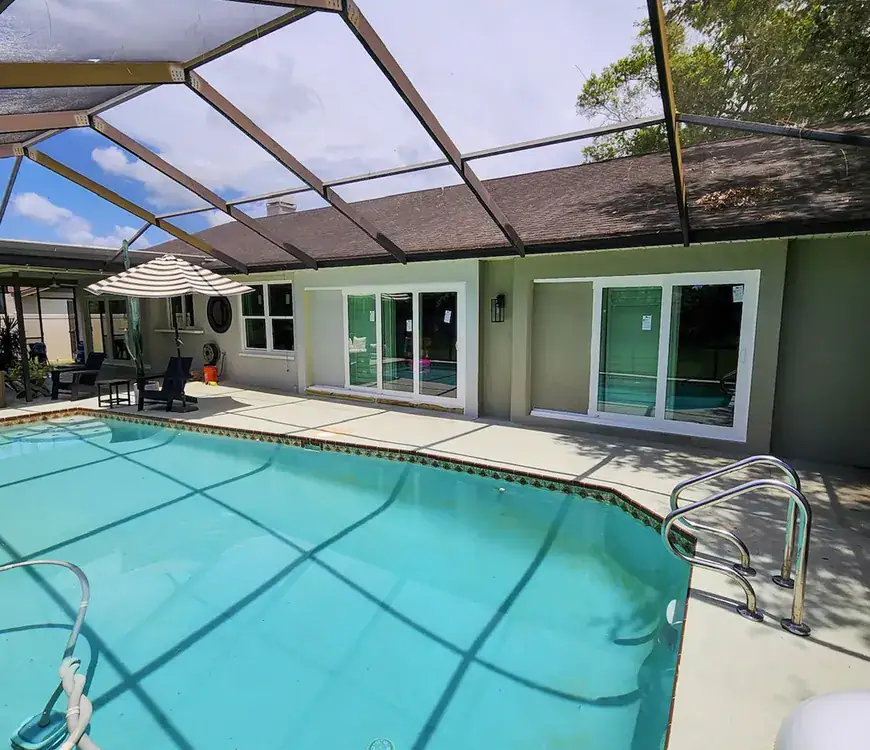
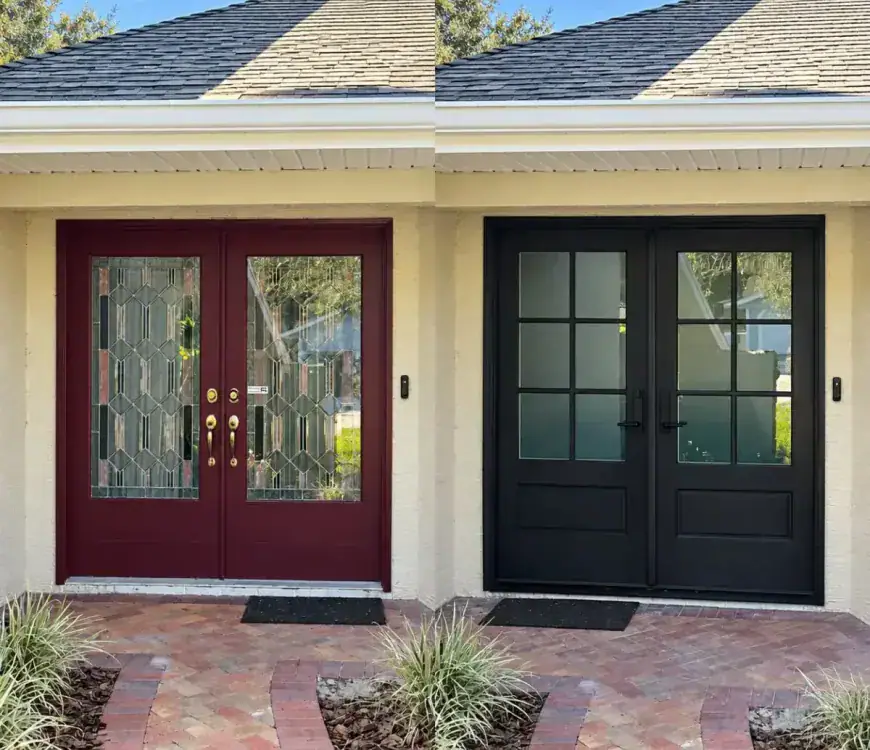
- Doors: an old sliding glass door or a hollow entry door can let in more noise than every window combined. Many homeowners replace them at the same time with impact products.
- Walls and roof: thin walls, attic vents and unsealed penetrations carry sound too.
- Air leaks: outlets, dryer vents and gaps around pipes on exterior walls let sound through with the air.
- Very low frequencies: deep engine rumble and bass travel through structures and are the hardest sounds to stop completely.
Noise Sources and What Helps Most
| Noise source | Type of sound | What helps most |
|---|---|---|
| Busy road or highway | Low frequency rumble | Laminated insulating glass with a strong OITC rating, tight installation |
| Neighbors, pools, dogs | Mid and high frequency | Laminated glass with a strong STC rating, good seals |
| Lawn equipment | Mid and high frequency | Laminated glass, replacing older sliding doors too |
| Aircraft | Low frequency | Higher OITC glass packages, attention to doors and attic |
| Wind and rain against glass | Mixed | Heavier impact frames and laminated glass |
The Other Benefits That Come With Quiet

The same features that block sound also improve comfort in other ways. Laminated insulating glass helps control heat gain and reduces how hard your air conditioning works, which we cover in our guide to energy-efficient impact windows. The laminated glass also filters most ultraviolet light, which helps protect floors and furniture from fading, and it is far harder to break through than standard glass.
And of course, the windows protect your home during hurricane season without shutters, plywood or anyone having to climb a ladder.
How to Compare Quotes for a Quieter Home
If noise is one of your main reasons for upgrading, ask every company you talk with the same questions so you can compare fairly:
- What glass package is quoted for each opening, laminated only or laminated insulating?
- What are the published STC and OITC ratings for the exact products and sizes on the quote?
- How will the gap between the window and the wall be sealed and insulated?
- Are the sliding glass doors and entry doors included, and what glass do they use?
- Are the products approved for your area under Florida’s building code?
Two quotes with the same window brand can perform very differently for sound if the glass package or installation details differ.
Which Rooms to Start With
If you are phasing your project, start where noise bothers you most. Bedrooms that face the street are the usual first choice, followed by home offices and living areas near a road or a neighbor’s yard. Large sliding glass doors facing a busy area are worth including early, since they are often the loudest opening in the house.
Hear the Difference Before You Decide
Numbers on a spec sheet only go so far. The easiest way to understand the difference is to stand next to the products. Our Tarpon Springs showroom at 40345 US Highway 19 North displays the impact windows and doors we install from several manufacturers. It is open Monday through Friday from 8am to 4pm, with Saturday visits by appointment. You can also browse the brands we install before you visit.
Brands and Glass Packages We Install
Sound performance varies by manufacturer and glass package, which is why it helps to compare more than one line. Storm Pro installs impact windows and sliding doors from CWS (Custom Window Systems), PGT, Eastern Architectural Systems, JELD-WEN and Viwinco, and impact entry doors from Therma-Tru, Plastpro and Neuma Doors. Our impact window and door brands page explains what each line is known for, and we can pull published sound ratings for the exact products on your quote.
Frequently Asked Questions
How much quieter will my house be with impact windows?
It depends on your current windows, the products you choose and how the home is built. Homes replacing older single-pane windows usually notice the biggest change.
Are impact windows soundproof?
No window is fully soundproof, but laminated impact glass blocks noticeably more outside noise than standard single-pane glass.
Is STC or OITC more important?
For traffic, trucks and aircraft, OITC is usually the better guide. For voices, pets and lawn equipment, STC is more relevant.
Do impact doors reduce noise too?
Yes. Impact sliding glass doors and entry doors use the same laminated glass approach, and replacing an old door is often one of the biggest noise improvements in a home.
Can I add noise reduction to my existing windows?
Sealing gaps and adding heavy curtains can help a little, but the glass itself is usually the limit. Replacing it with laminated glass is the bigger improvement.
Do impact windows help with noise from a neighbor’s pool or yard?
Yes. Voices, music and splashing are mostly mid and high frequency sounds, which laminated glass handles well. Closing the gaps around older sliding doors helps too.
Will impact windows make my home too quiet to hear outside alarms?
No. You will still hear sirens and loud alarms. The difference is mainly in everyday background noise like traffic and lawn equipment.
Get a Quieter, Stronger Home
Storm Pro Window and Door installs impact windows and doors across Tampa Bay, Pasco and Pinellas. Book a free in-home quote or call (813) 749-6051, and tell us which rooms are the loudest. We will recommend the glass and products that make the biggest difference.